Fenugreek: Uses, Benefits and Side Effects
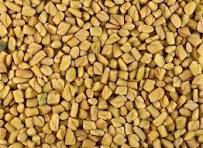
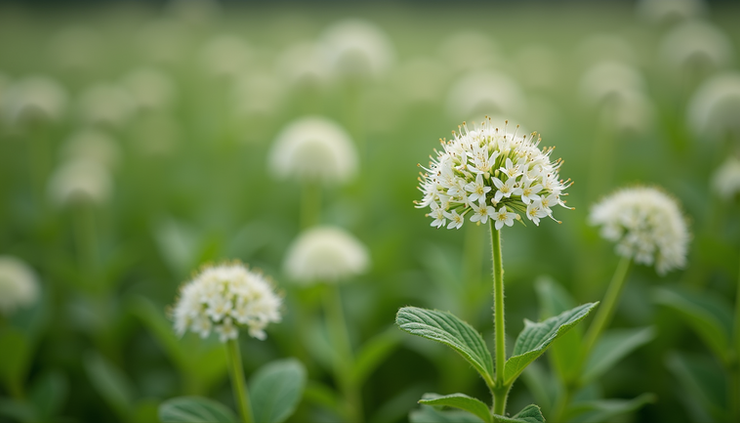
Fenugreek is a plant that has been valued for thousands of years for its medicinal and culinary uses. Standing about 2 to 3 feet tall, it features green leaves, small white flowers, and pods filled with tiny golden-brown seeds. These seeds have a slightly sweet, nutty flavor and a rich nutritional profile, making them a staple in many Indian dishes. Beyond the kitchen, fenugreek has a long history in alternative and traditional Chinese medicine, where it is used to treat various skin conditions and other health issues.
What Is Fenugreek and Where Does It Come From?
Fenugreek, scientifically known as Trigonella foenum-graecum, is native to the Mediterranean region, southern Europe, and western Asia. It thrives in warm climates and is cultivated widely in countries like India, Egypt, and Morocco. The plant produces pods that contain the seeds, which are the most commonly used part.
The seeds have a unique aroma and flavor that is slightly sweet and nutty, often compared to maple syrup. This distinct taste makes fenugreek a popular spice in curries, spice blends, and pickles. It also acts as a natural thickening agent in cooking.
Culinary Uses of Fenugreek
Fenugreek seeds and powder are widely used in Indian cuisine and other South Asian dishes. Here are some common ways to use fenugreek in cooking:
Spice blends: Fenugreek is a key ingredient in spice mixes like garam masala and panch phoron.
Curries and stews: The seeds add depth and a mild bitterness that balances rich flavors.
Breads: Fenugreek powder is sometimes added to dough for flatbreads like parathas.
Pickles: The seeds help preserve and flavor pickled vegetables.
Tea: Fenugreek seeds can be steeped to make a herbal tea believed to aid digestion.
Fenugreek leaves, fresh or dried, are also used as herbs in cooking, adding a slightly bitter and aromatic note to dishes.
Traditional and Medicinal Uses
For thousands of years, fenugreek has been part of traditional medicine systems. It is used to address a variety of health concerns, including:
Skin conditions: Fenugreek paste or extracts are applied to soothe inflammation, eczema, and wounds.
Digestive health: Fenugreek seeds are known to improve digestion and reduce stomach discomfort.
Blood sugar regulation: Some studies suggest fenugreek may help lower blood sugar levels in people with diabetes.
Lactation support: Fenugreek is often used by nursing mothers to increase milk production.
Anti-inflammatory effects: The plant contains compounds that may reduce inflammation in the body.
While these uses are supported by traditional knowledge and some scientific research, it is important to consult a healthcare professional before using fenugreek for medical purposes.
Nutritional Profile of Fenugreek Seeds
Fenugreek seeds are rich in nutrients that contribute to their health benefits:
Fiber: High in soluble fiber, which supports digestion and blood sugar control.
Protein: Contains plant-based protein, useful for vegetarian diets.
Vitamins: Good source of vitamin B6, folate, and vitamin C.
Minerals: Includes iron, magnesium, manganese, and copper.
Phytochemicals: Contains antioxidants and compounds like saponins and flavonoids.
This combination of nutrients makes fenugreek a valuable addition to a balanced diet.
How to Use Fenugreek Safely
Fenugreek is available in various forms: whole seeds, powder, capsules, and extracts. Here are some tips for safe use:
Start with small amounts: Introduce fenugreek gradually to avoid digestive upset.
Cooking: Use seeds or powder in recipes to enjoy flavor and nutrition.
Supplements: Follow dosage instructions on packaging or consult a healthcare provider.
Topical use: Test a small skin area before applying fenugreek paste to check for allergies.
Possible Side Effects and Precautions
Although fenugreek is generally safe for most people, some may experience side effects or need to take precautions:
Allergic reactions: Rare but possible, especially for people allergic to peanuts or chickpeas.
Digestive issues: Large amounts can cause diarrhea, bloating, or gas.
Blood sugar effects: May lower blood sugar, so people on diabetes medication should monitor levels closely.
Pregnancy: High doses might cause uterine contractions; pregnant women should avoid supplements without medical advice.
Medication interactions: Fenugreek can interact with blood thinners and other drugs.
If you experience any adverse effects, stop using fenugreek and consult a healthcare professional.
Practical Tips for Incorporating Fenugreek
Here are some simple ways to add fenugreek to your daily routine:
Sprinkle fenugreek powder on roasted vegetables or soups for a nutty flavor.
Soak fenugreek seeds overnight and chew them in the morning to aid digestion.
Add fenugreek leaves to salads or stir-fries.
Make fenugreek tea by boiling seeds in water and straining before drinking.
Use fenugreek-based skincare products or prepare homemade masks for skin nourishment.
Experiment with small amounts to find what works best for your taste and health needs.


